
home2
Saku Lures · Designed in Greece
Not Just Another Squid Jig.
TAFROS introduces a distinctive V-Rolling descent, engineered to draw squid and cuttlefish from well beyond the drop.
- 17 gBalanced body
- 11 cmSlim profile
- UVLow-light glow
- ABSJapanese grade
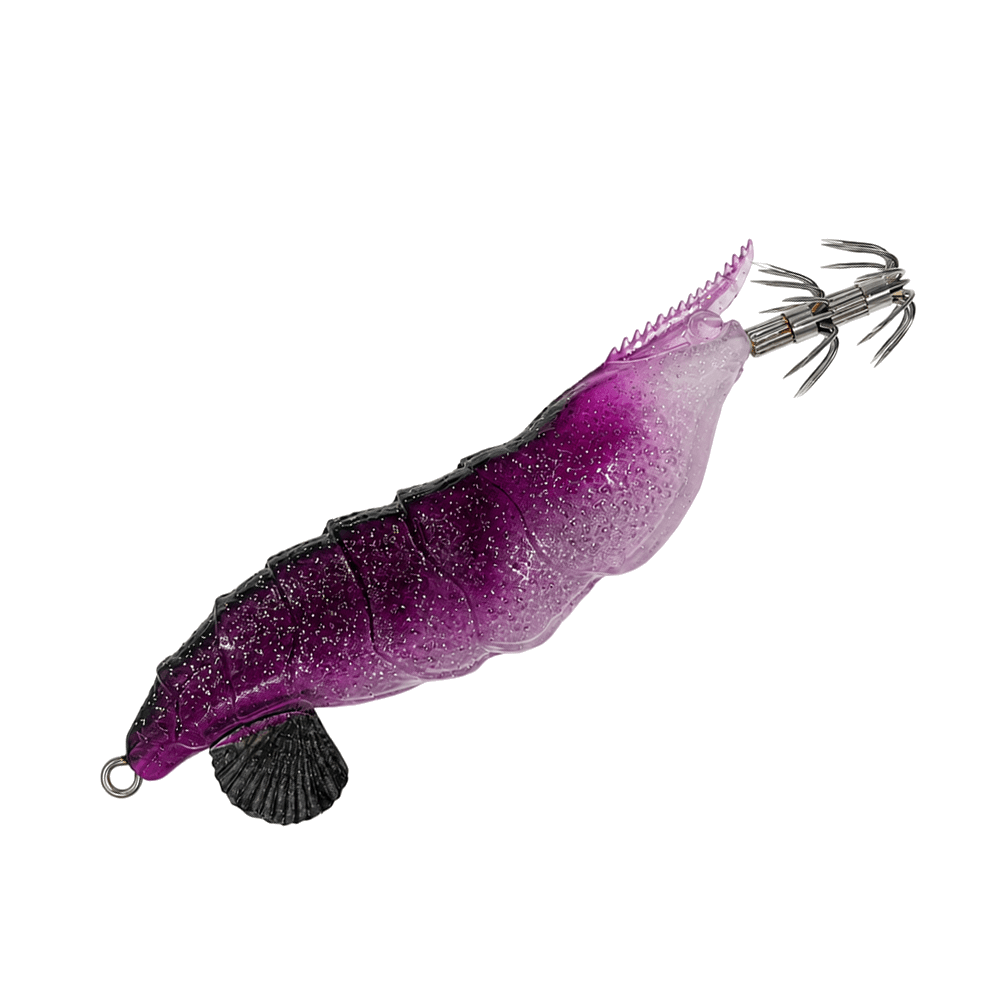
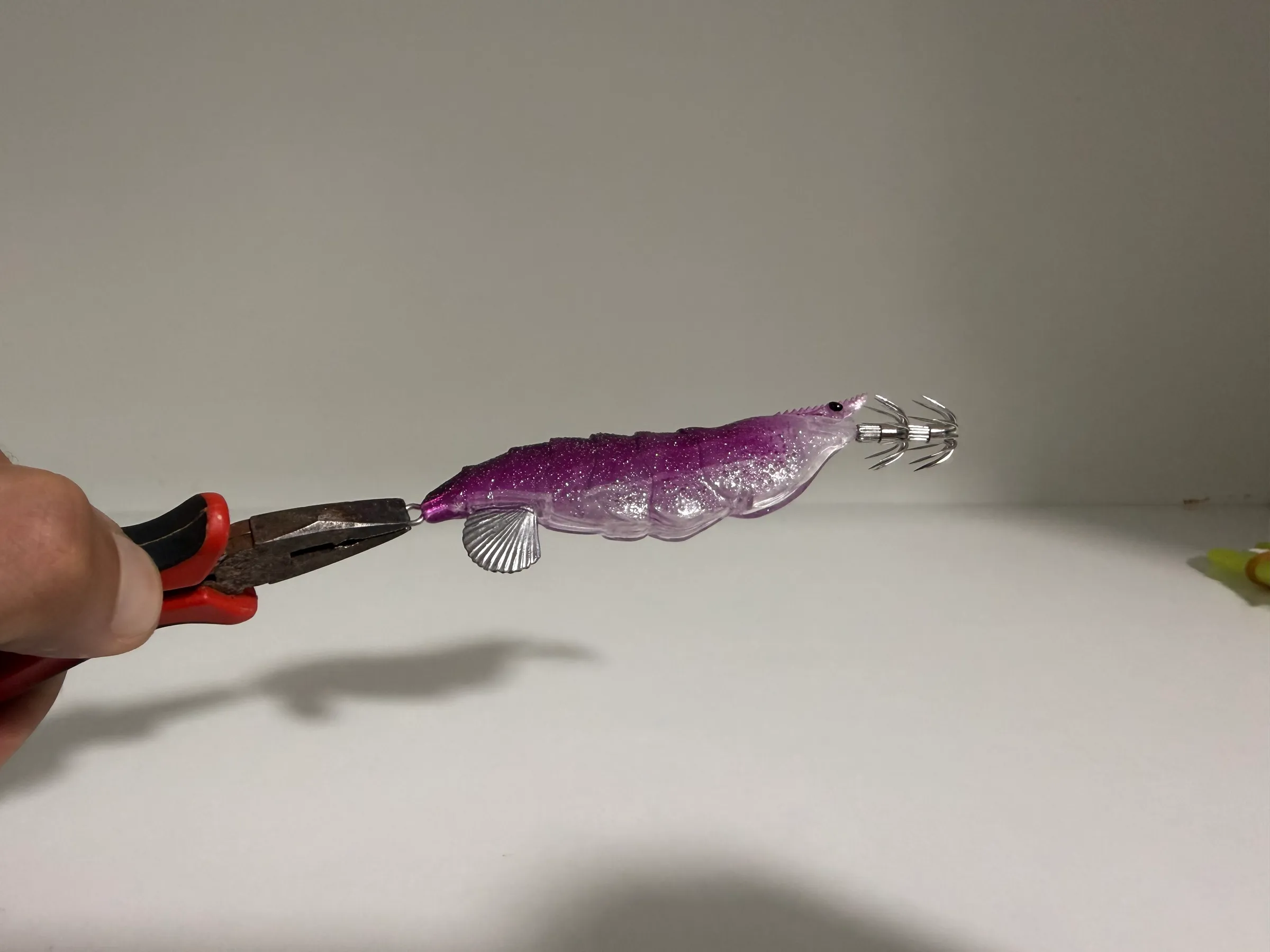
Phantom Violet · V-Rolling descent
Most squid jigs fall the same way. TAFROS was built around the descent itself — a V-Rolling drop that keeps working long after the jerk has finished.
Choose your signal
Three finishes. One action.
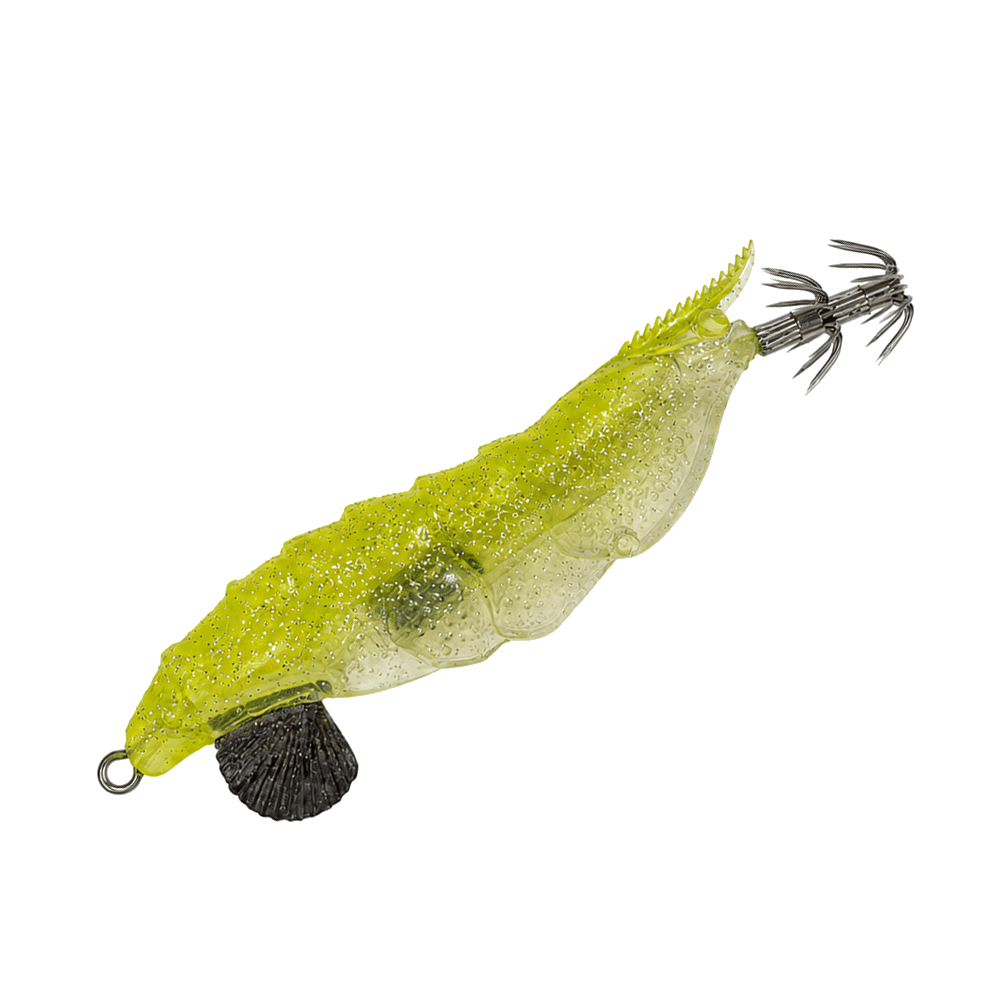
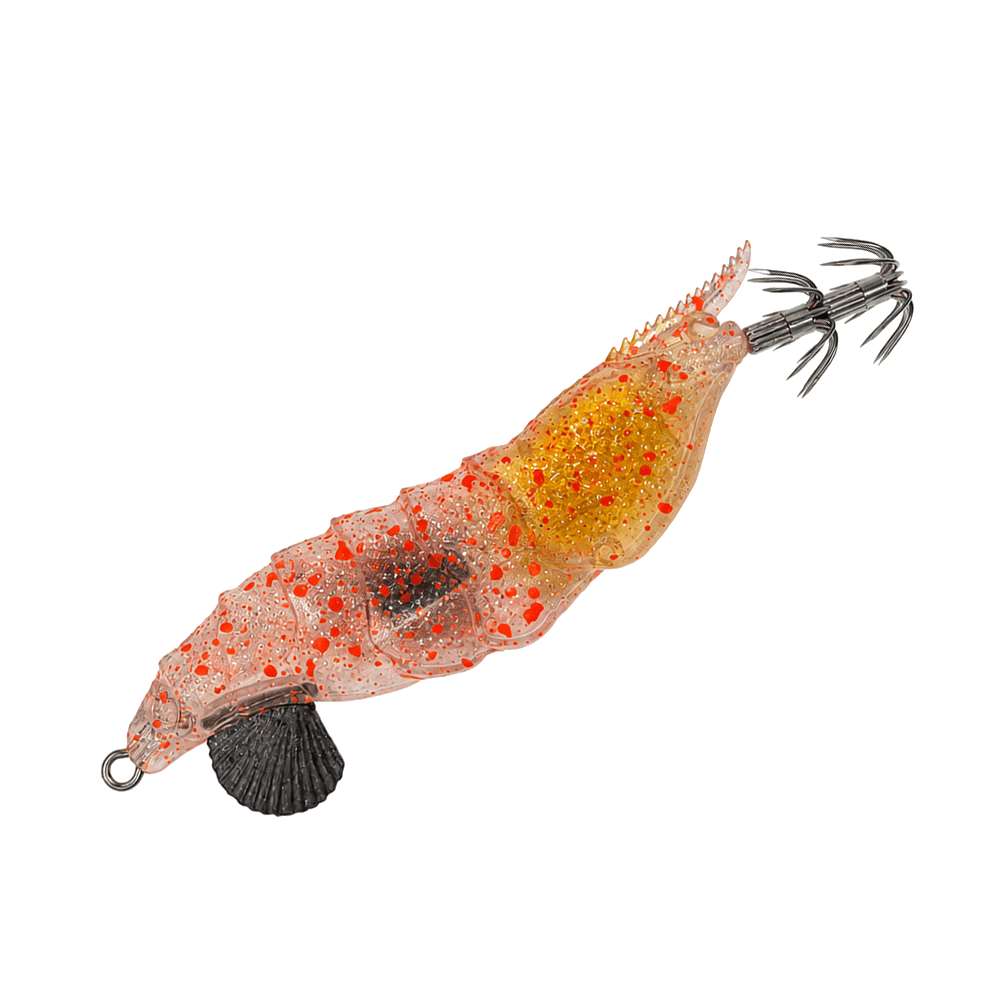
The body, weight and descent are identical across the range. What changes is how the jig reads to squid in the light you are fishing.
Low light · deep water
Phantom Violet
A translucent violet body over a pearl core. The darkest silhouette in the range, and the one to reach for as the light drops or the water deepens.
- 17 gWeight
- 11 cmLength
- 3.5Size
Price€15.00
In stock · ships from Greece
Real water
From Motion to Strike.
The action only matters if it draws a response. This is the TAFROS descent working through a full sequence, from the cast to the moment a squid commits.
Origin
Designed in Greece. Tuned through water.
TAFROS started from the profile of a prawn and a single question: what if the fall did the work?
Every decision followed from there. The silhouette had to read as prey. The weight had to load a rod and hold a line. The descent had to stay interesting for the whole drop, not just the first metre. Nothing was settled at a desk — each version went into the water and came back with notes.
- Natural realismA silhouette built from real prey proportions.
- Controlled movementA descent the angler can steer through the line.
- Casting performanceWeight that loads the blank and holds a line.
Construction
Built around the movement.
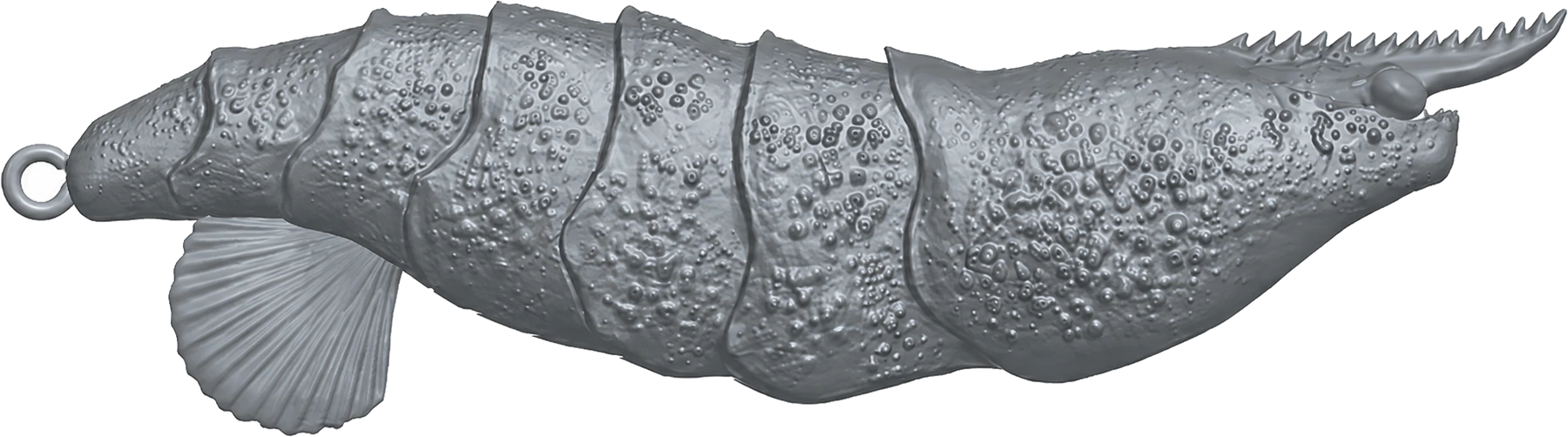
Four decisions shape how TAFROS behaves in the water. Select any of them to locate it on the body.
- 01
Slim profile
A streamlined silhouette that follows the natural form of prey and cuts resistance through the water.
- 02
Textured body surface
Detailed surface finishing across the shell, worked to hold light and read as realistic underwater.
- 03
UV glow
Improved visibility in deep water and low-light sessions, where a standard finish starts to disappear.
- 04
Japanese-grade ABS
Produced in high-quality Japanese-standard ABS for strength, consistency and repeatable tolerances.
The action
One jig. Two behaviours. Total control.
TAFROS does not have a single fall. What it does on the way down depends on what you did with the rod, and on what you do with the line afterwards.
Action one
V-Rolling sinking motion
An upward jerk of the rod sends the jig into an intense V-Rolling descent — a wide, deliberate side-to-side roll that carries a long way through open water. It is the part of the fall designed to be noticed from a distance.
As the energy bleeds off, the roll narrows and TAFROS settles into a more conventional squid-jig descent, so the presentation stays believable all the way down.
Action two
Line-controlled descent
The fall is yours to shape. Leave the line loose and the jig drops fast and near-vertical. Add tension and it swings back towards you on a flatter, slower arc.
Held under tension near the bottom, TAFROS keeps its sinker beneath the body. That reduces the chance of snagging while the jig stays in the strike zone and still looks worth eating.
The more you understand it, the more it reveals.
Technique
Control the line. Unlock the motion.
Compare the two behaviours side by side. Switch modes to see what the rod starts, then change line tension to see how much of the descent is still yours to shape.
Jerk & V-Roll
A sharp upward jerk loads the jig and releases it into a wide V-Rolling fall. The roll is widest just after the lift, then tightens as the jig settles into a conventional descent.
Line tension
Free-spooled, the jig drops fast and almost vertically. Use it to reach depth quickly under the boat or straight off the rocks.
- Descent path
- Fishing line
Internal mechanism
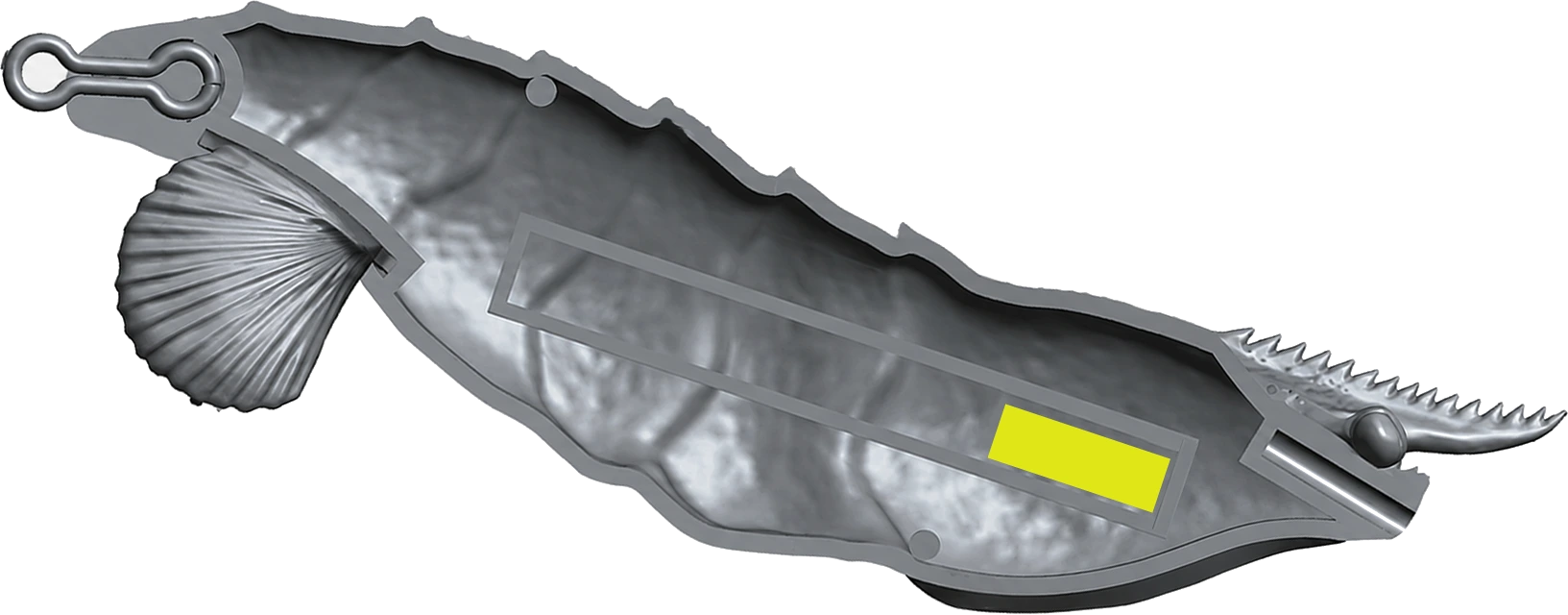
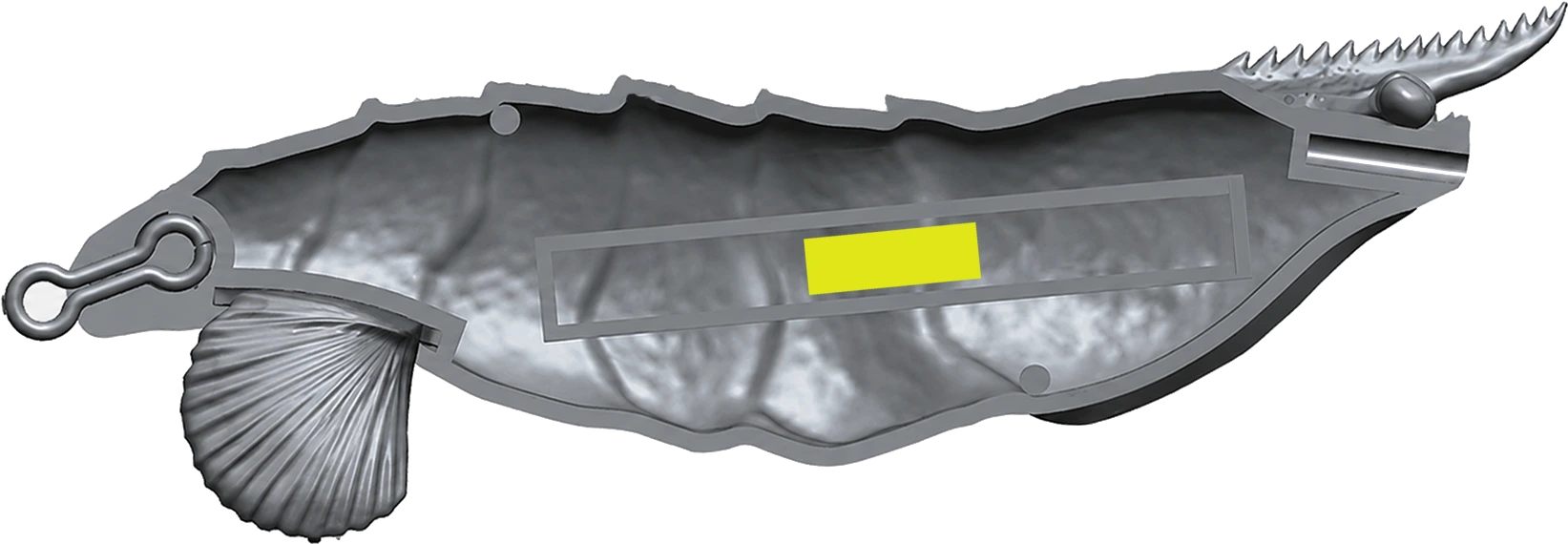
A weight that moves when it needs to.
Inside the body, a weight travels along a machined channel. It shifts rearward for the cast, returns forward on landing, and sets the attitude of the fall. Nothing on the outside gives it away.
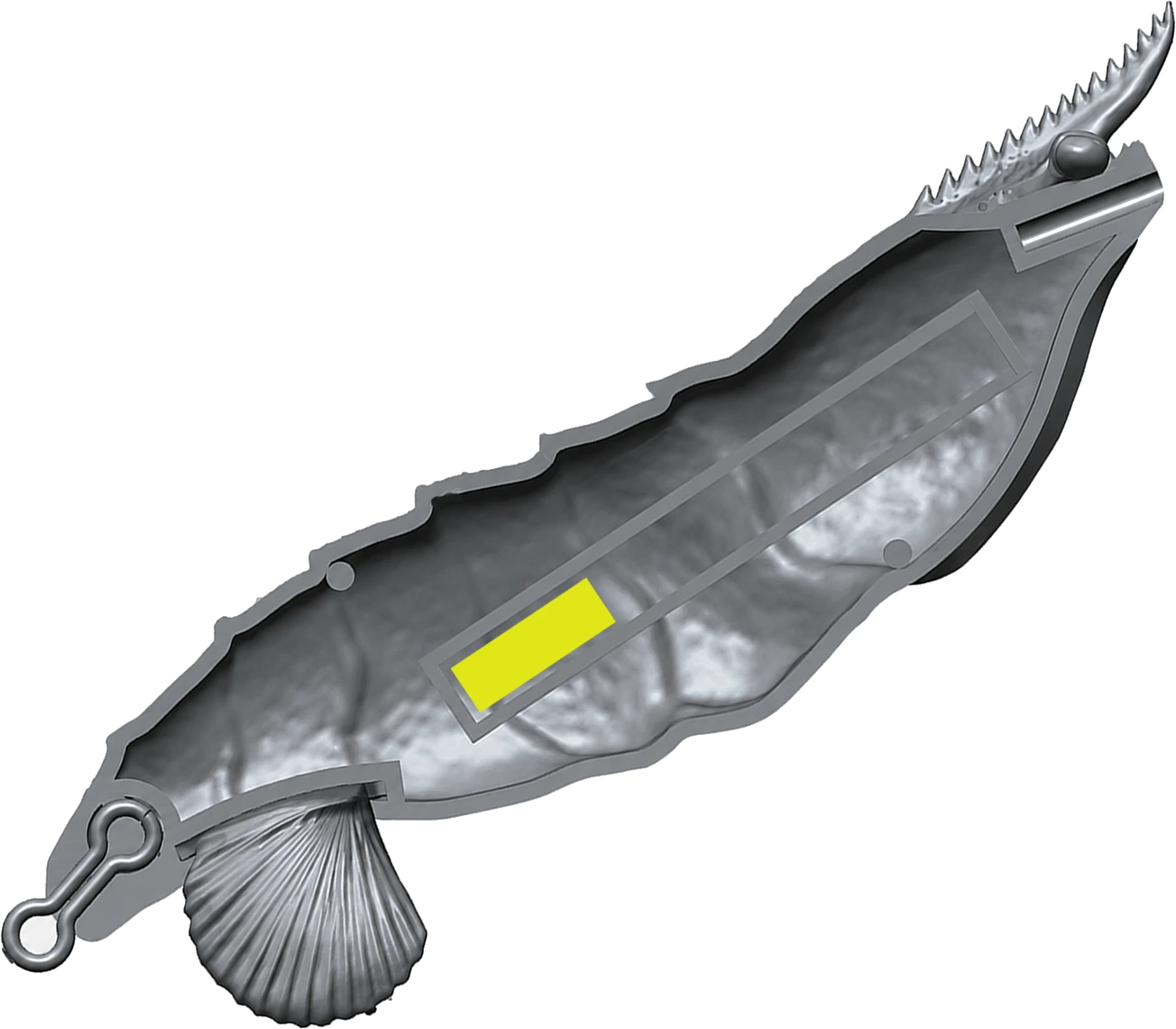
Phase 01 — weight rearward
Casting
Distance is part of the design.
At 17 grams, TAFROS carries enough mass to load a blank properly and hold a line into a headwind.
Combine that with the weight shifting rearward on release and the jig flies nose-first instead of tumbling. The practical result is range: the far edge of a reef, the seam beyond the surf, the patch of water everyone else has been casting short of all morning.
- Long-distance castingMass and a stable flight attitude put the jig where the pressure is not.
- Wind-resistant flightA slim, weighted body holds its line when the breeze gets up.
- Unfished waterRange opens marks that shorter casts simply never reach.
Development
Fourteen versions to get one right.
TAFROS went through fourteen prototypes before anything was signed off. Each one was cast, dropped, watched and changed. The differences got smaller every round, and the last few were measured in grams and degrees.
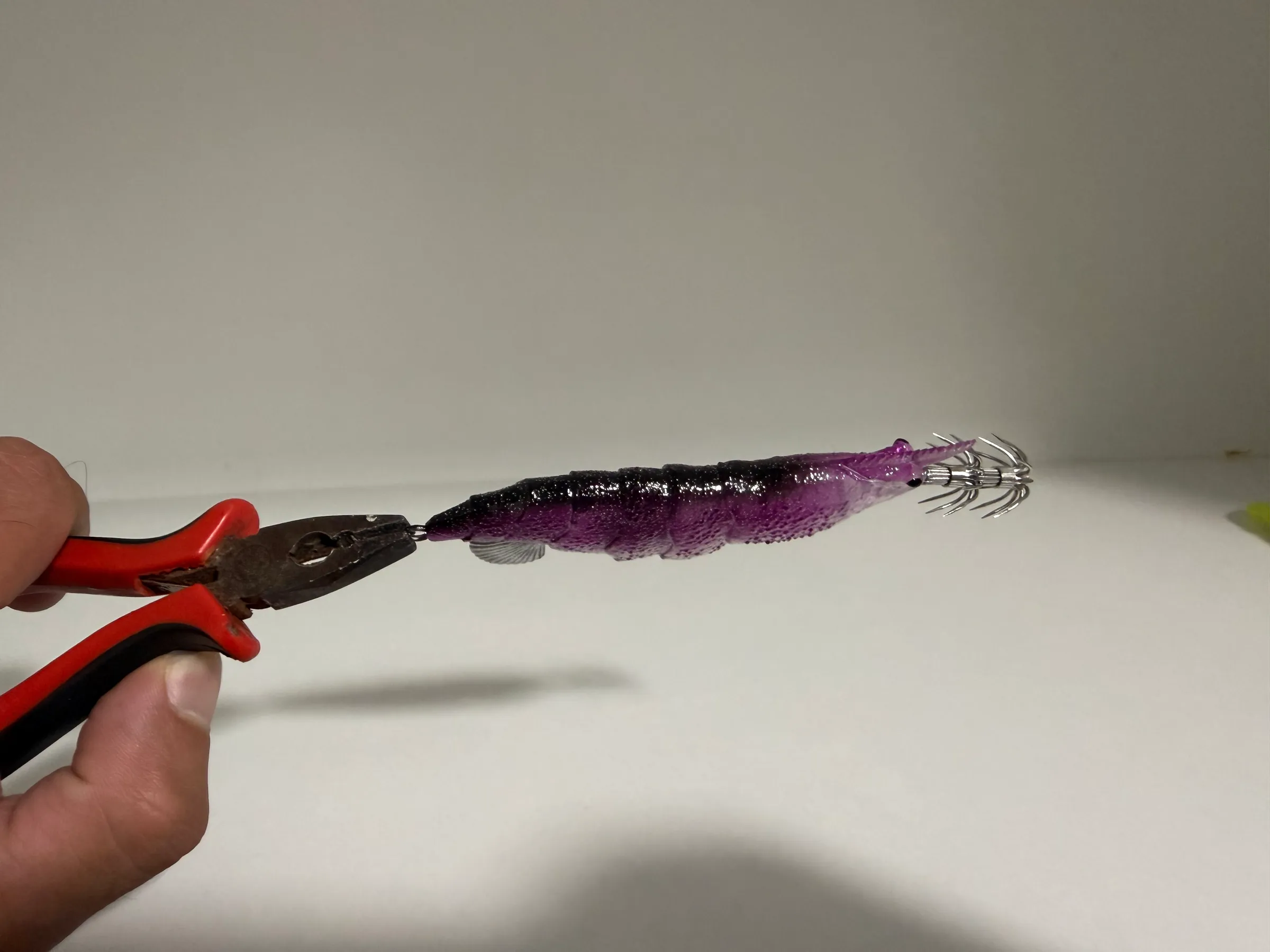
01 – 04
Finding the profile
Bare bodies, no finish, no colour. The only question that mattered was whether the shape fell the way the drawing promised. Three of the first four did not.
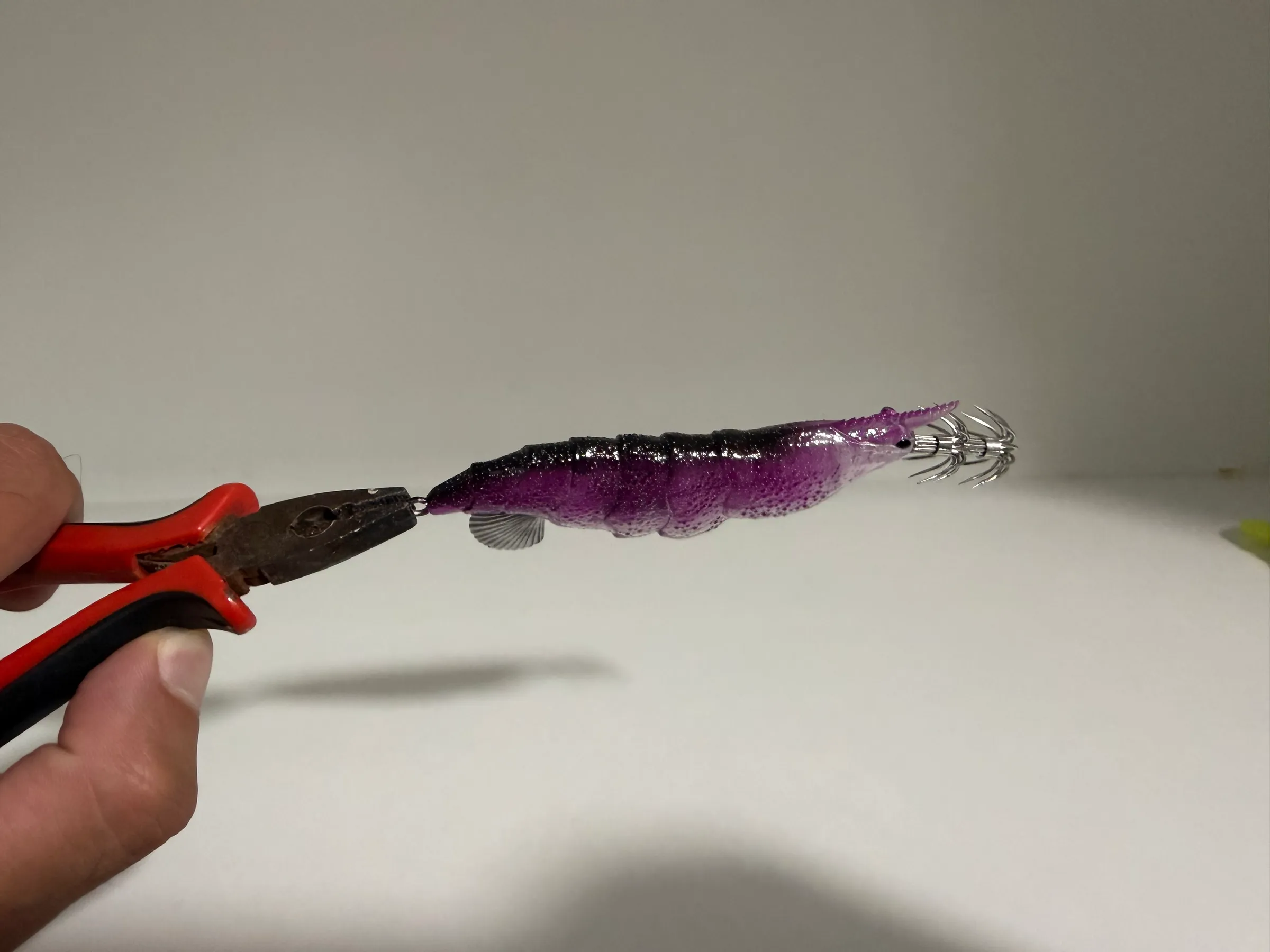
05 – 10
Tuning the transfer
The internal channel found its length in this stretch. Move the weight a few millimetres and the cast improves but the fall goes flat. Most of the fourteen were spent here.
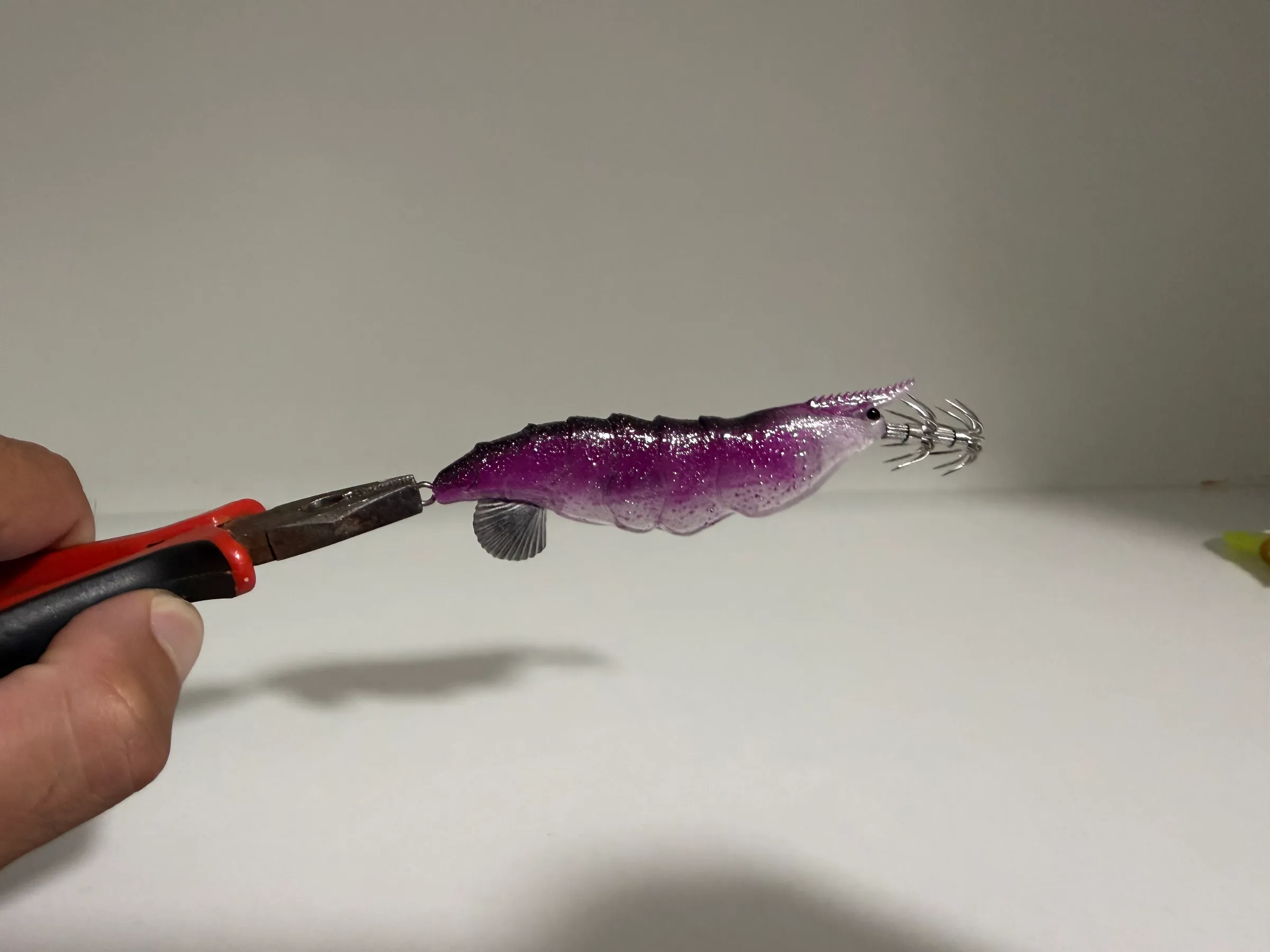
11 – 14
Surface and finish
Texture across the shell, the UV layer underneath and the three finishes on top. Version fourteen is the one that goes in the box.
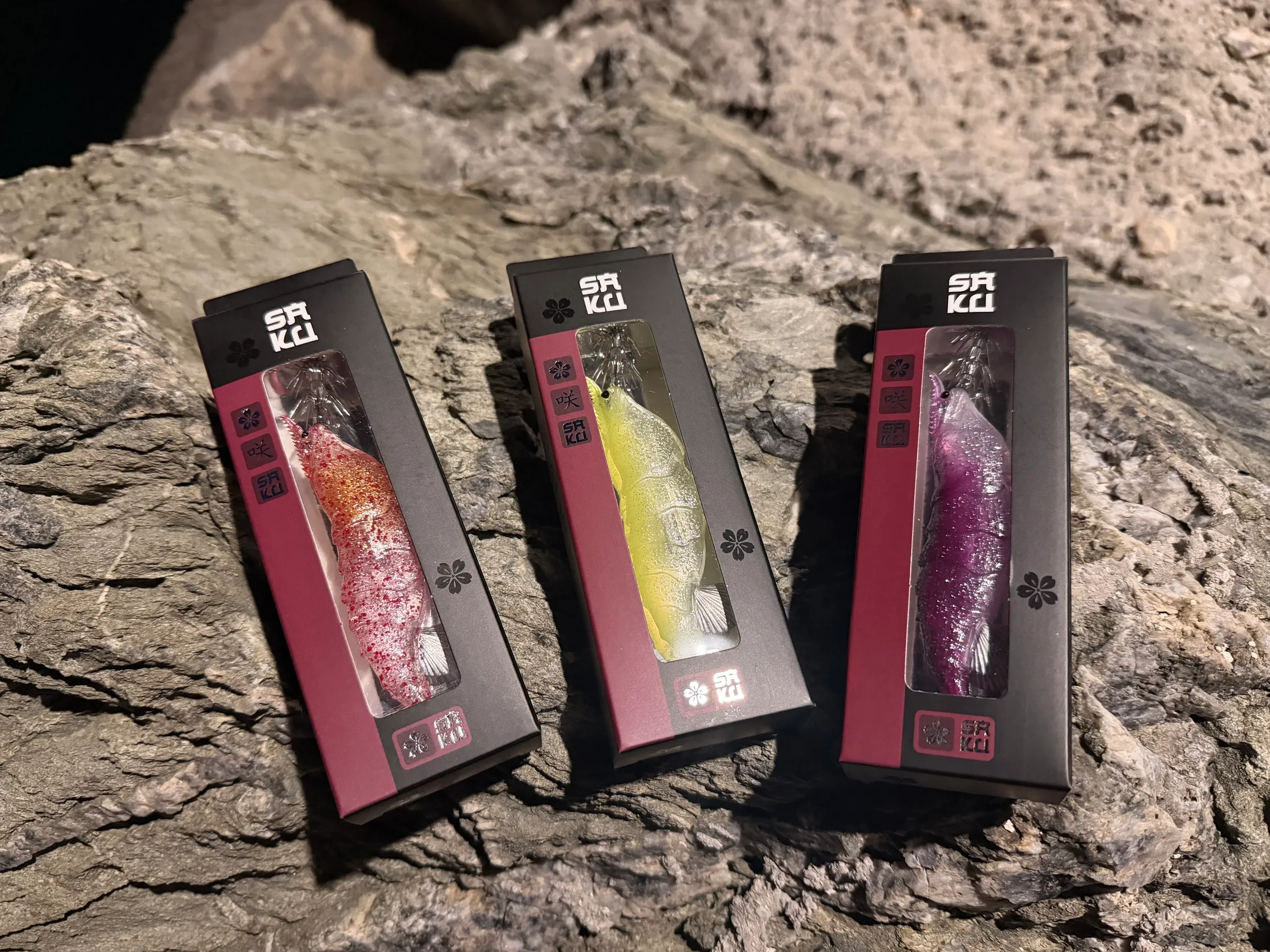
Gallery
Closer.
Detail shots of the finished jig, the packaging and the bench it came from. Select any frame to open it full size.
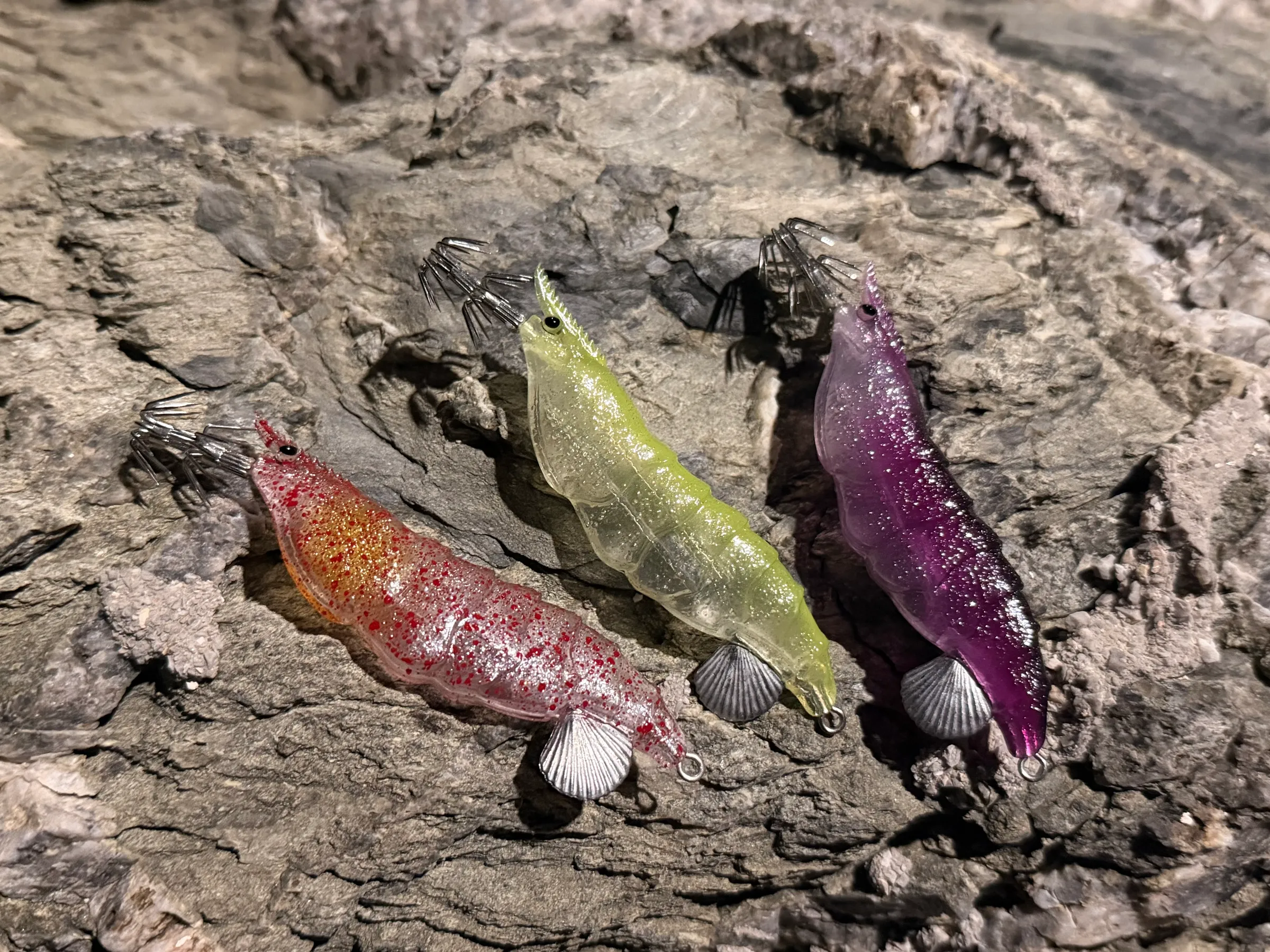
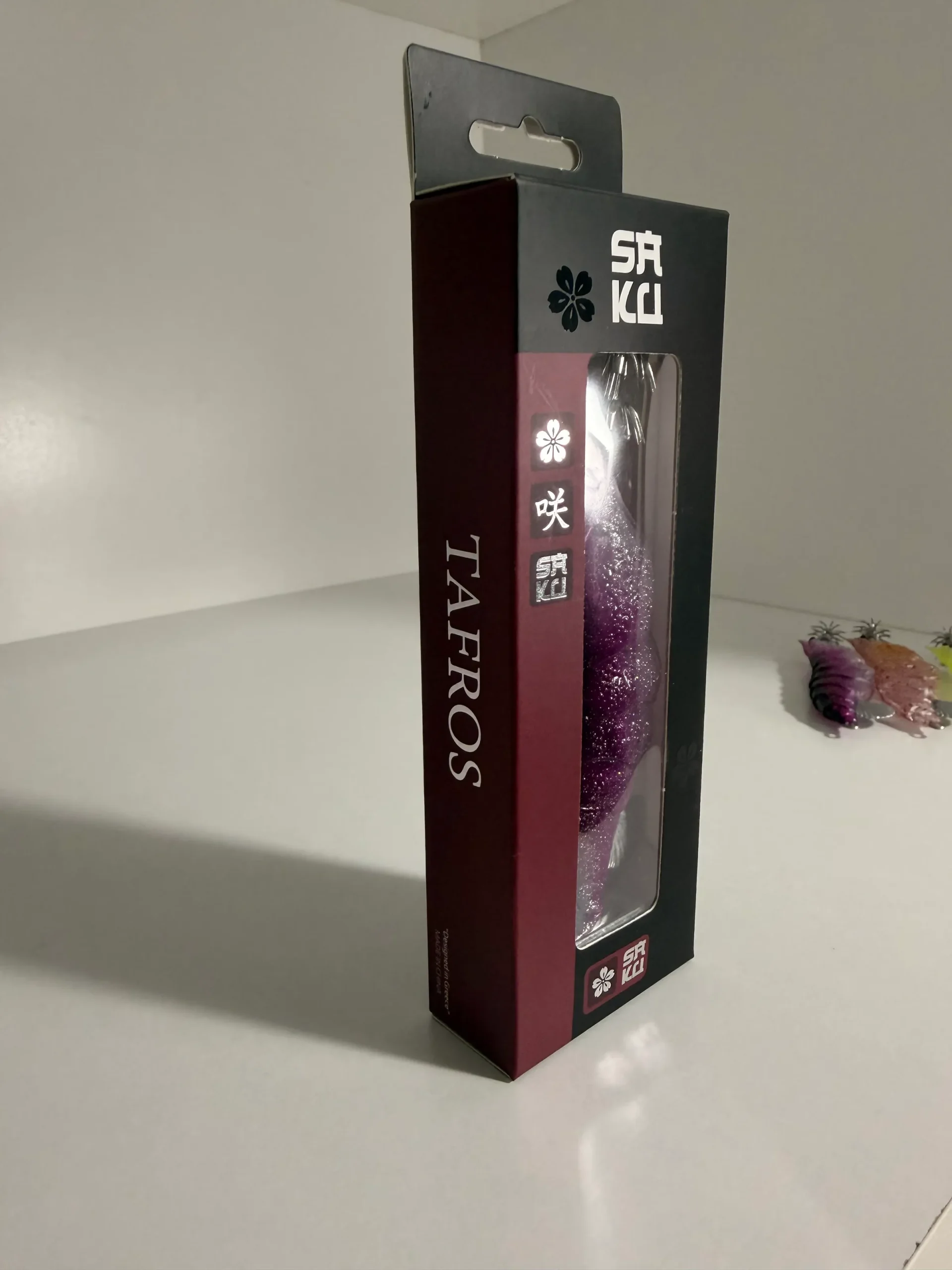
Packaging
Presented the way it was built.
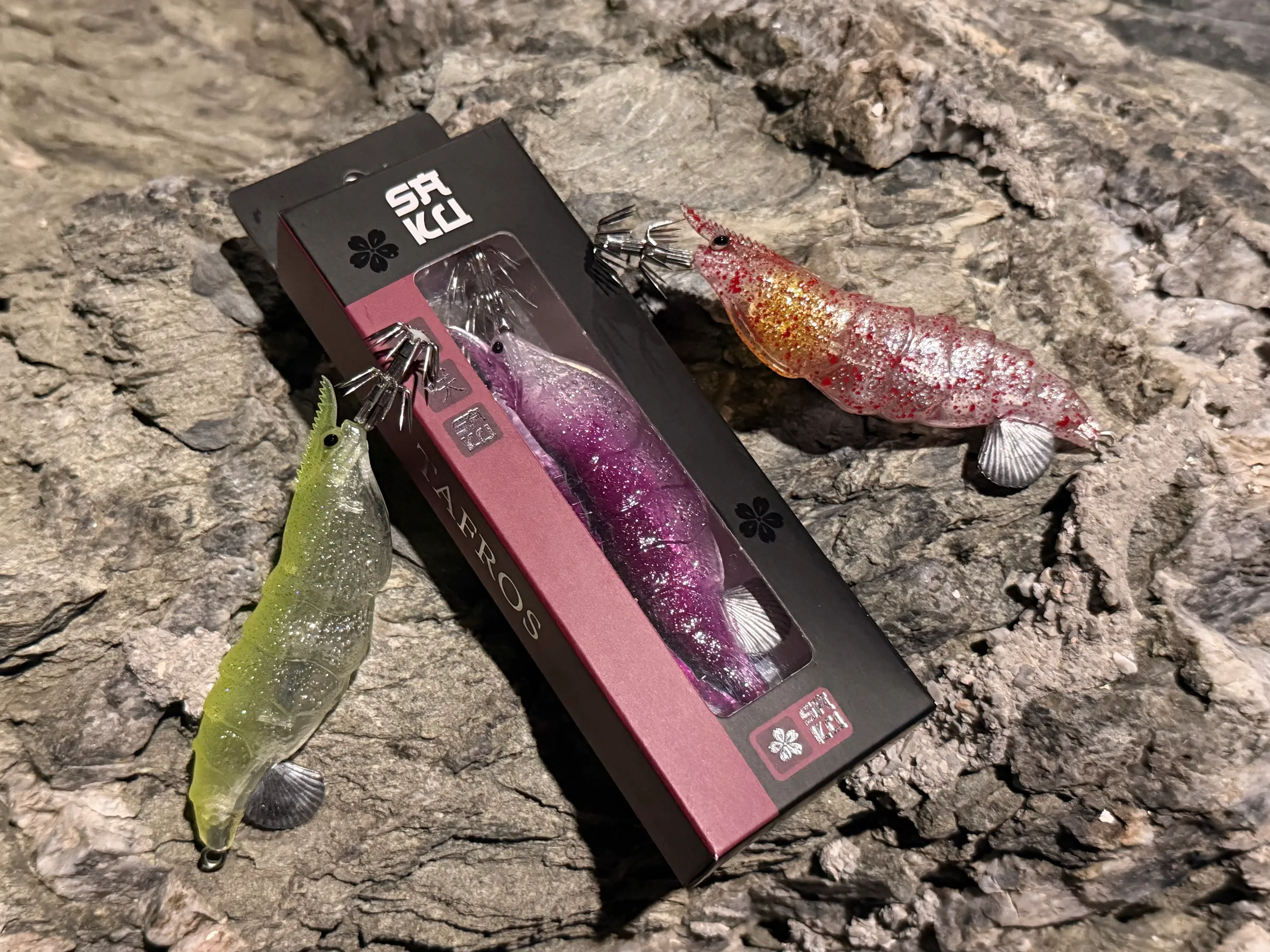
Each TAFROS ships in a rigid box with a window cut to the profile of the jig, so the finish is visible before it is opened. Deep red and black, the Saku mark, and nothing else competing for attention.
- Window boxCut to the jig profile, hanging tab included.
- Protected in transitFitted insert holds the body and keeps the crown clear.
- Ready to giftRetail-finished on arrival, no repacking needed.
Choose your TAFROS
Three finishes. Pick the light you fish.
€15.00 each · 17 g · 11 cm · in stock and shipping from Greece.
SAKU Lures
TAFROS squid jig · designed and tested in Greece.